Disclosure: Some links in this article are affiliate links. If you buy through them we may earn a small commission at no extra cost to you. It does not change what we recommend.
The homeware section of a fashion site is usually an afterthought. SHEIN’s is large enough to be a shop in its own right, which raises the obvious question: is any of it worth buying, or is it the same trap as the shoes?
The answer splits neatly along a line that has nothing to do with price and everything to do with what happens if the thing fails.
Quick verdict
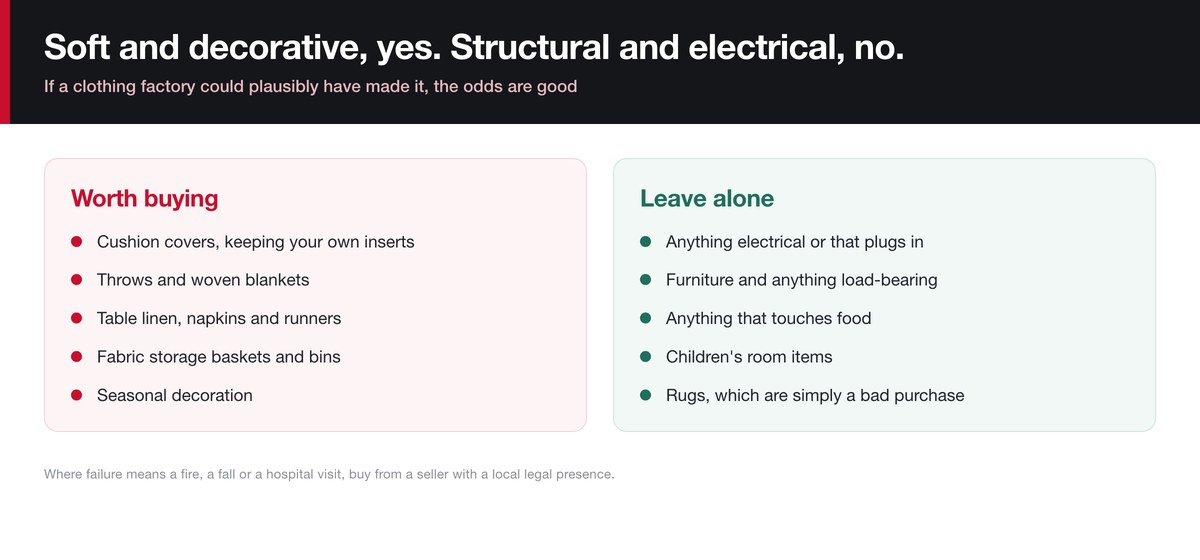
Buy soft, decorative and disposable. Skip anything structural, electrical or load-bearing. Cushion covers, throws, table linen, storage baskets, wall hangings and seasonal decoration are genuinely good value, because the failure mode is cosmetic and you will replace them anyway. Furniture, lighting, anything that plugs in, anything that holds weight above your head and anything that touches food is a different risk category entirely, and the savings do not justify it.
Why textiles work and hardware does not
This is not a coincidence of pricing. It is what the supply chain is actually good at.
SHEIN’s manufacturing base is thousands of small textile factories running short production runs. A cushion cover is a simple sewn textile product made by exactly the kind of workshop that makes a blouse. A table lamp is an electrical product with a safety certification regime, and a bookshelf is a load-bearing structure. Those come from a different supply chain and arrive with different odds.
So the heuristic is: if it could plausibly have been made by a clothing factory, it is probably fine. If it could not, be suspicious.
What is genuinely worth buying
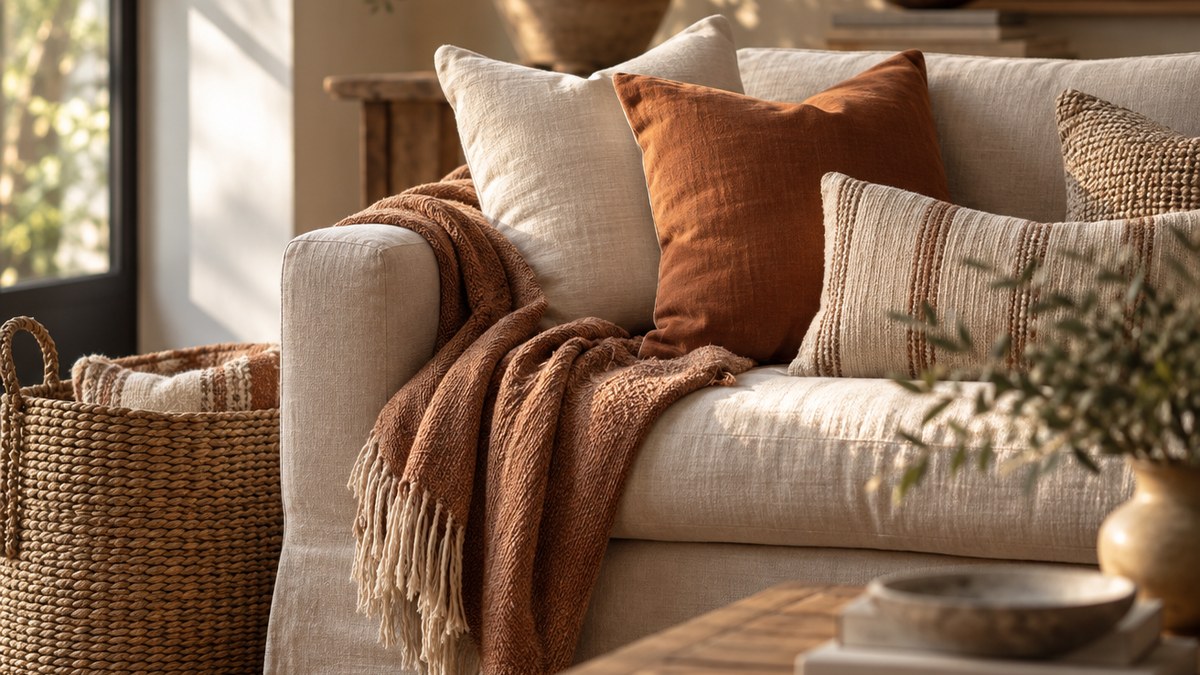
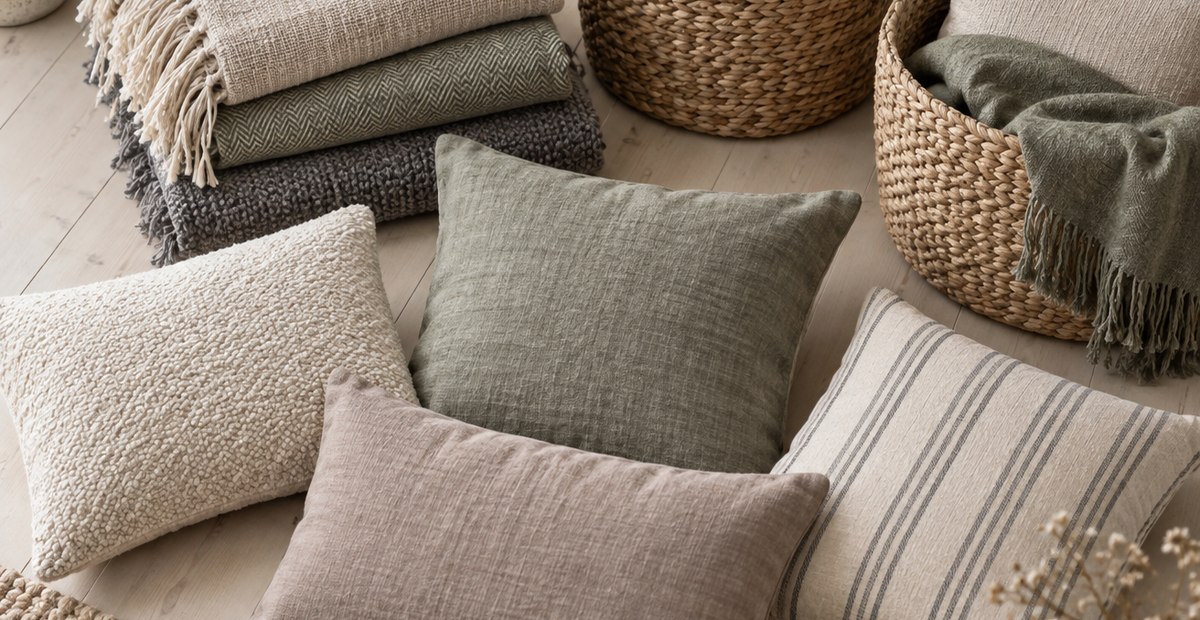
Cushion covers. The best value in the entire homeware section, and the reason is structural to the category: covers are cheap to ship, easy to make well, and the standard alternative is absurdly overpriced. Buy covers rather than filled cushions — you keep the inserts you already own and pay only for the fabric. Check the composition for a cotton or linen blend over pure polyester, and read reviews for zip quality, which is where these fail.
Throws and blankets. Knitted and woven throws are the same product as a cheap jumper, and they are good at that. Avoid anything described as faux fur, which mats after one wash.
Table linen. Napkins, runners, tablecloths. Simple, washable, replaced seasonally. Cotton and linen blends here are frequently better than what a mid-market homeware chain sells at four times the price.
Storage baskets and fabric bins. Woven storage, laundry hampers, drawer organisers. Nothing to go wrong, and the price gap against a homeware retailer is enormous.
Seasonal decoration. Christmas, Halloween, party decoration. It is used for three weeks and boxed for a year. Spending real money here is a choice, not a requirement.
Curtains, with care. Look for weight and a stated drop measurement, and expect to steam them. Blackout linings at this price rarely block much light.
What to leave alone
Anything electrical. Lamps, string lights, heaters, small appliances. Electrical safety certification is the entire value of a branded product here, and a cross-border parcel is precisely the route that bypasses domestic conformity checks. This is not hypothetical caution — the regulatory concern about direct-purchase imports is specifically that they arrive without the separate inspection a domestically distributed product faces.
Furniture and anything load-bearing. Shelving, wall hooks, clothes rails, mirrors that mount. The failure mode is something heavy falling, and the shipping cost on anything that heavy erodes the saving anyway.
Anything that touches food. Plates, mugs, utensils, storage containers. Materials in contact with food are regulated for good reasons, and the testing findings that exist on cross-border goods — Seoul’s municipal government has reported chemical limit breaches across multiple rounds of testing on products from these platforms — make this an easy category to opt out of.
Children’s room items. The same testing has repeatedly concentrated its findings in children’s products. Soft toys, sleep items and anything a small child will chew belong in a different budget.
Rugs. Not a safety issue, just a bad purchase. Cheap rugs are thin, shed, curl at the corners and slide. There is no version of this that works.
Judging a homeware listing
The vetting method is different from clothing, because fit does not matter and dimensions do.
Read the measurements, in centimetres, and then physically measure the space. Homeware listings are the single biggest source of “it arrived and it is tiny” complaints, because a photograph of a basket contains no scale reference. A cushion cover listed at 45cm will not fit a 50cm insert.
Look at customer photographs for colour accuracy more than anything else. Textile colour reproduction varies wildly between a studio shot and a living room, and mustard is the worst offender.
Check the composition for textiles exactly as you would for clothing: cotton and linen blends over pure polyester, and read the reviews for “thin”.
And check whether the item ships from a domestic warehouse. Bulky homeware moving internationally is slow, and since the US suspended its de minimis exemption in 2025 every cross-border parcel carries duty, which is quoted at checkout. On a $12 basket that duty is a meaningful percentage.
A sensible first order
If you want to test the category without committing, a reasonable basket looks like this: four cushion covers in a coherent palette, one throw, a set of table linen, and two storage baskets measured against an actual shelf.
That clears the free shipping threshold comfortably — $29 in the US, or $15 on Sundays and Thursdays — it is all textile, and the worst case is that a zip is scratchy on one cushion cover. The first return from an order is free and covers everything in it, so the downside is genuinely capped.
Then judge the category on what arrives, which is a better basis than anyone’s article, including this one.
Notes and sources: SHEIN US shipping thresholds and return policy, checked September 2026; Seoul Metropolitan Government product safety testing on goods bought from cross-border platforms, 2024; US executive orders suspending the de minimis exemption, May and August 2025. Electrical and food-contact goods are subject to national conformity requirements that vary by market; where safety certification matters, buy from a seller with a local legal presence.
